
Warehouse storage is no longer just about finding space to hold stock. In 2026, it has become a critical part of how efficiently a business operates, scales, and meets customer expectations. As order volumes increase and supply chains become more complex, businesses are under growing pressure to use their warehouse space more effectively while maintaining speed and accuracy.
For many companies, especially those in the e-commerce and retail sectors, with poor storage strategies lead to wasted space, slow fulfilment, and costly inefficiencies. This results in warehouse storage being approached more strategically, with a focus on flexibility, technology, and scalability.
Why Warehouse Storage Needs a Smarter Approach
Traditional warehouse setups often rely on fixed layouts and manual processes that struggle to keep up with modern demand. As SKU ranges grow and customer expectations for fast delivery increase, these outdated methods can create bottlenecks across the entire operation.
A smarter approach to warehouse storage focuses on improving space utilisation, reducing handling time, and creating systems that can adapt as your business grows. This is particularly important for businesses that are scaling quickly, as inefficient storage can directly impact fulfilment speed and overall performance.
Making Better Use of Warehouse Space
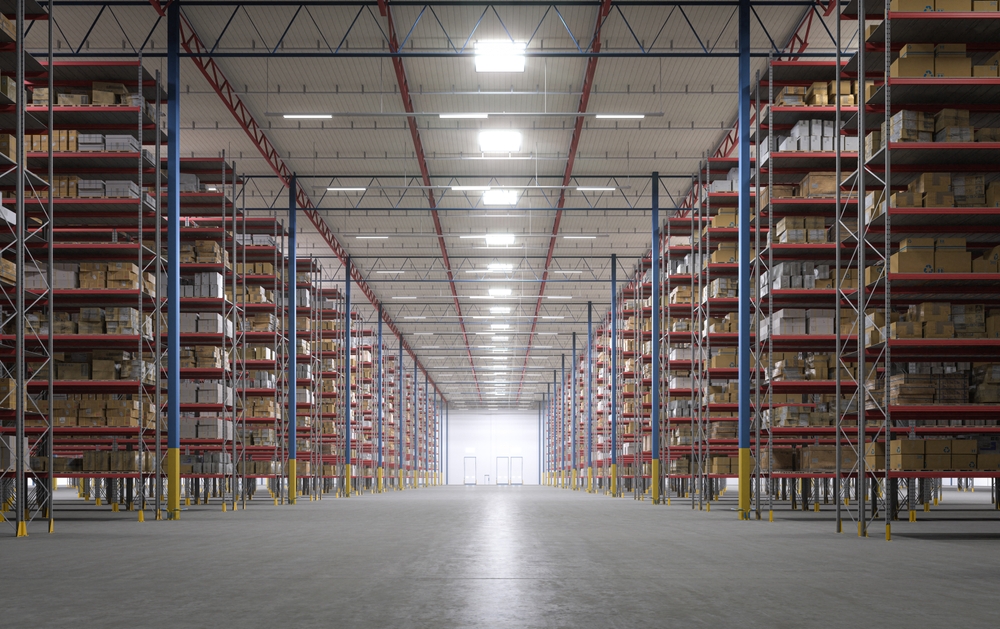
One of the most important warehouse storage strategies in 2026 is maximising the space you already have. This is not just about fitting more stock into a warehouse but about organising it to improve accessibility and efficiency.
Optimised layouts consider factors such as product demand, size, and picking frequency. High-demand items are positioned in easily accessible locations, while slower-moving stock is stored in less central areas. This reduces unnecessary movement within the warehouse and speeds up the picking process.
Our 22,000 square foot warehouse is a good example of sufficient storage. Businesses can order a higher volume of goods, allowing them the advantages of batch production without having to use their warehouse space. That’s why partnering with a 3PL business like Lesters, we can take care of stocking and serving.
Vertical storage is also becoming more widely used, allowing businesses to increase capacity without expanding their physical footprint. By using racking systems effectively, warehouses can store more products while maintaining organisation and accessibility.
The Role of Technology in Warehouse Storage
Technology is playing a major role in shaping warehouse storage strategies. Warehouse management systems (WMS) are now essential for businesses that want to maintain control over their inventory and operations.
These systems provide real-time visibility of stock levels, locations, and movements, allowing for more accurate inventory management. They also help automate processes, reducing the risk of human error and improving overall efficiency.
Automation is also becoming more common, from barcode scanning to advanced picking systems. While not every business needs full automation, even small improvements in technology can have a significant impact on efficiency.
Flexible Storage Solutions for Growing Businesses
In 2026, flexibility is key. Businesses need warehouse storage solutions that can adapt to changes in demand, seasonal peaks, and product range expansion.
Fixed storage setups can quickly become limiting, particularly for businesses experiencing rapid growth. Flexible solutions, such as shared warehousing or outsourced storage, allow businesses to scale their storage capacity up or down without long-term commitments.
This approach is particularly useful for e-commerce businesses that experience fluctuations in demand throughout the year. Instead of investing in additional space that may not always be needed, they can rely on scalable solutions that adjust to their requirements.
How Warehouse Storage Impacts Fulfilment Efficiency
Storage strategies have a direct impact on how quickly and accurately orders can be fulfilled. Poorly organised warehouses lead to longer picking times, increased errors, and slower dispatch.
Efficient storage, on the other hand, supports a smoother fulfilment process. When products are stored logically and systems are in place to guide picking, orders can be processed much faster.
This is where warehouse storage and fulfilment services work closely together. If you want to explore how fulfilment fits into the wider logistics process, you can read more here.
Why Many Businesses Are Turning to Warehouse Storage Companies
As warehouse operations become more complex, many businesses are choosing to work with dedicated warehouse storage companies rather than managing everything in-house.
Outsourcing storage allows businesses to access professional warehouse environments, advanced systems, and experienced teams without the need for significant investment. This can reduce operational pressure while improving efficiency and scalability. Read more about Lesters Logistics and see how we can elevate your business.
It also allows businesses to focus on core activities such as sales, marketing, and product development, rather than being tied up in day-to-day logistics.
From our experience, the turning point usually comes when internal teams become stretched. Business owners and managers find themselves spending more time managing logistics than focusing on growth. By outsourcing storage, they can step back from the day-to-day pressures and rely on a system that is built to handle scaling.
How Lesters Logistics Increased Warehouse Capacity with Mezzanine Flooring
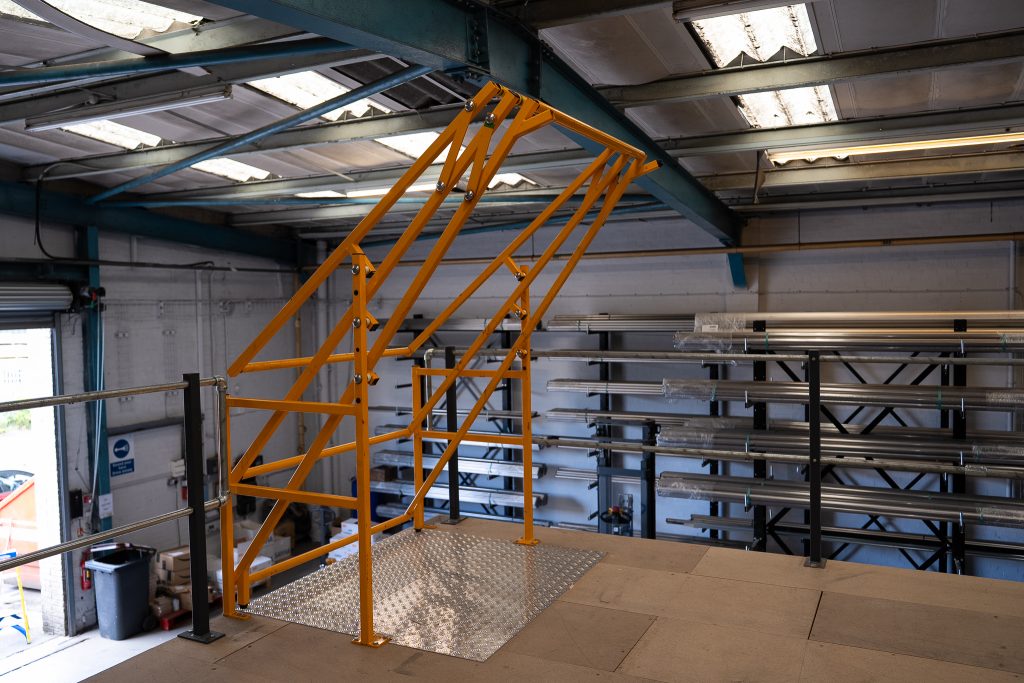
One of the most effective warehouse strategies we have recently implemented at Lesters Logistics is the introduction of mezzanine flooring within our warehouse space.
By adding a mezzanine level, we have been able to significantly increase our storage capacity and streamlined our pick and packing services. With a more structured layout and clearly defined storage zones, our team can move more efficiently through the warehouse, reducing handling time and improving overall accuracy. This is a practical example of how we rethink space, rather than simply adding more of it, which can lead to measurable improvements.
This is something we are seeing more businesses consider as they scale. Instead of relocating or investing in larger premises, optimising existing space through solutions like mezzanine flooring can offer a faster and more cost-effective way to increase capacity and improve workflow.
Building a Warehouse Strategy That Grows with You
Businesses that take a proactive approach now will be better positioned to adapt to future changes.
This means investing in systems that provide visibility and control, designing storage layouts that support efficiency, and considering flexible solutions that allow for growth. A forward-thinking approach to warehouse storage can help businesses stay competitive in an increasingly demanding market.
Smarter Warehouse Storage Solutions with Lesters Logistics
At Lesters Logistics, we take a practical, hands-on approach to warehouse storage. We do not just store stock; we help businesses organise, manage, and scale their inventory in a way that supports long-term growth. By combining structured warehouse environments with real-time visibility and flexible storage solutions, we give businesses the confidence to grow without operational constraints.
We understand that no two businesses scale in the same way. That is why our warehouse storage solutions are designed to adapt to your needs, whether you are expanding your product range, managing seasonal demand, or improving fulfilment efficiency. With the right support in place, your warehouse becomes a driver of growth rather than a limitation.