When your stock arrives at a warehouse, where should it go?
Should it remain stacked and wrapped on pallets, ready to be moved in bulk? Or should the cartons be separated and stored individually, making it easier to pick one product at a time?
It may sound like a simple decision, but the way your goods are stored can affect how much warehouse space you use, how quickly orders are fulfilled and how efficiently your operation runs.
Choose the wrong method and you could end up paying for space you do not need or making every order harder to pick than it should be. Here is how palletised and loose carton storage compare – and how to decide which option is right for your stock.
What is palletised storage?
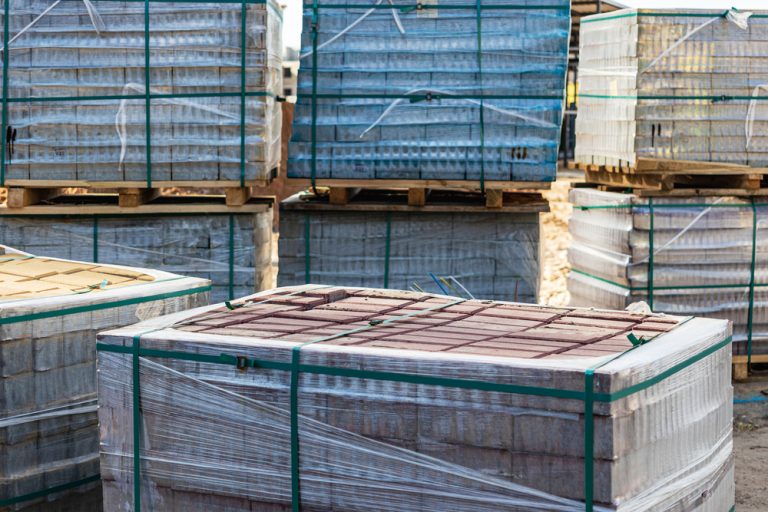
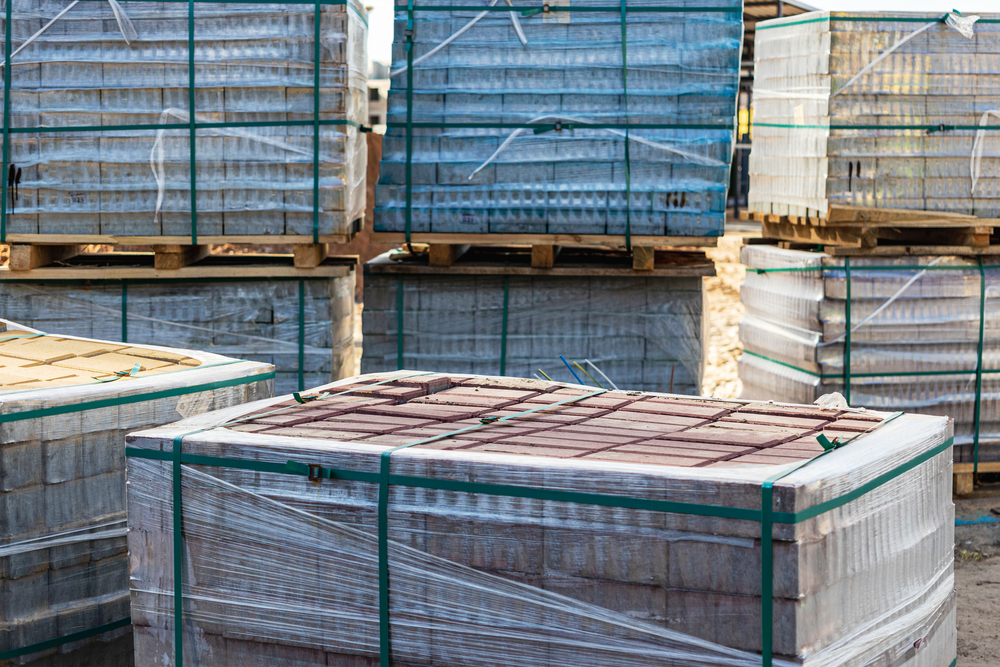
Palletised storage means goods arrive stacked together on a pallet, usually secured with stretch wrap or another protective material. The complete pallet can then be moved using warehouse handling equipment and placed into a pallet racking system.
Instead of handling every carton separately, warehouse teams can receive, move and dispatch a large quantity of stock as one unit.
Pallet storage is often a good choice for:
- Large quantities of the same product
- Heavy or bulky goods
- Full-case or wholesale orders
- Stock that arrives and leaves in bulk
- Products that need to be moved efficiently around the warehouse
Keeping cartons together can also make incoming deliveries easier to organise and stock simpler to locate. If a customer regularly orders an entire pallet or several full cases, there may be little benefit in separating every carton.
What is loose carton storage?
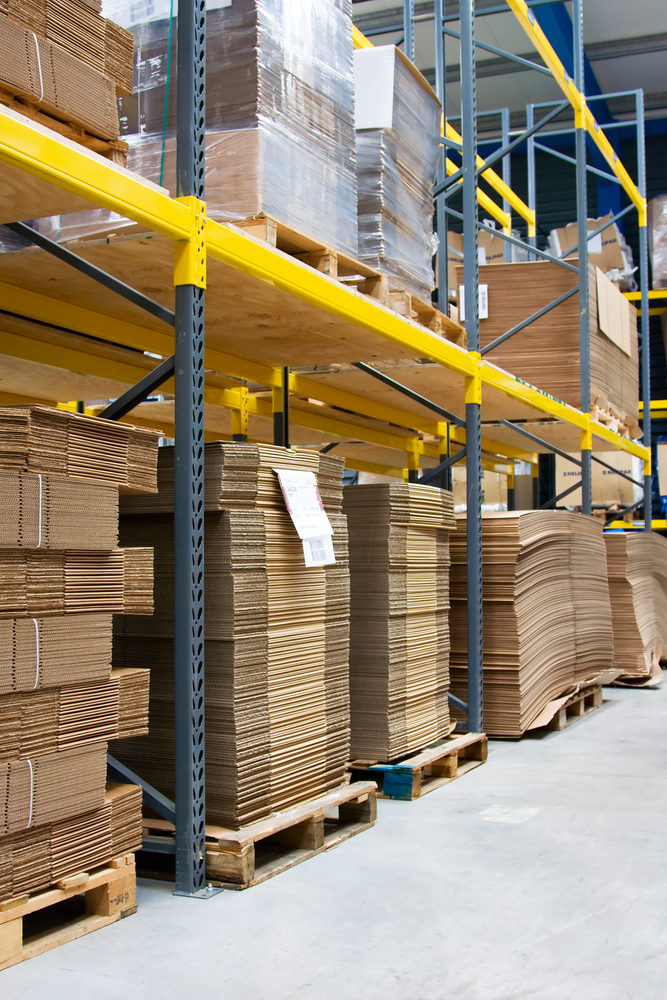
Loose carton storage involves removing individual boxes or cases from their pallets and storing them separately, often on shelving or in dedicated picking locations.
This gives the fulfilment team direct access to each carton rather than requiring them to retrieve a complete pallet whenever an order is placed.
It can be particularly useful for:
- Smaller products
- Businesses with several different SKUs
- Mixed-product orders
- Stock sold one carton or item at a time
- Ecommerce and direct-to-customer fulfilment
Imagine that you sell five different products, and most customers order one or two at a time. Keeping accessible quantities of each product in separate picking locations can make it much quicker to collect the right combination, pack the order and prepare it for dispatch.
Pallet storage vs loose cartons: what is the difference?
The main difference is how the stock needs to move.
Palletised storage is designed for volume. It keeps larger quantities together, making stock easier to handle when it arrives or leaves in bulk.
Loose carton storage is designed for accessibility. Individual cartons can be reached and picked without moving the rest of the stock stored alongside them.
Neither approach is automatically better. The right choice depends on what you sell, how customers order it and how quickly each product moves through the warehouse.
Five questions to ask before choosing
1. How large and heavy are your products?
Size and weight are sensible places to start.
Large, heavy or awkward cartons can be difficult and time-consuming to handle individually. Keeping them palletised may make movement and storage more practical.
Smaller, lighter cartons are usually easier to place in individual picking locations, particularly when they are frequently included in mixed orders.
2. How do customers place their orders?
Think about what a typical order contains.
If customers normally purchase a full pallet or several cases of the same product, pallet storage is likely to support a simpler process.
If orders contain individual items or a mixture of SKUs, loose carton storage may make picking faster and more accurate.
3. How many SKUs do you hold?
A business selling a small number of products in large quantities will have different storage needs from one managing hundreds of product variations.
Pallet storage may be suitable when you handle high volumes of a limited product range. Loose carton storage gives pickers easier access to a wider selection of SKUs when orders vary throughout the day.
4. How quickly does your stock move?
Fast-moving products need to be stored where the warehouse team can reach them easily. If individual cartons are being picked throughout the day, repeatedly accessing stock held high in pallet racking could slow the process down.
However, slow-moving reserve stock may not need to take up valuable shelving or picking space. It could remain safely palletised until replenishment is required.
5. Are your order volumes consistent?
Your busiest month may look very different from the rest of the year.
Seasonal peaks, promotions and business growth can all change how much stock you hold and how frequently it needs to be picked. A flexible storage plan should be able to adapt as those requirements change.
Can you combine pallet and loose carton storage?
Yes – and for many businesses, a combination of the two is the most efficient answer.
For example, reserve stock can remain palletised in warehouse racking while a smaller quantity is placed in an accessible loose-carton picking area. When the picking stock starts to run low, it can be replenished from the pallet.
This hybrid approach offers the capacity of pallet storage alongside the accessibility of loose carton picking. It can be particularly helpful for fast-moving ecommerce products or businesses that fulfil both wholesale and individual customer orders.
Your storage method does not have to remain fixed, either. It can be adjusted as particular products become more popular, order profiles change or new SKUs are introduced.
What happens if you choose the wrong storage method?
An inefficient storage setup can create problems across the fulfilment process.
Keeping low-volume products on individual pallets may use more warehouse capacity than necessary. On the other hand, separating high-volume stock into loose cartons can create additional handling without making orders any easier to fulfil.
The effects can include:
- Poor use of warehouse space
- Longer picking times
- Unnecessary product handling
- Slower order fulfilment
- More complicated stock replenishment
- Difficulty adapting to changing order volumes
The aim is not simply to fit as much stock into a warehouse as possible. It is to store each product in a way that supports its journey from arrival to dispatch.
Storage shaped around the way your business works
At Lesters Logistics, we look at your products, SKU range, order profile and rate of stock movement before determining the most suitable storage setup.
As your requirements change, your storage and fulfilment setup can also change.
Not sure whether your stock should be palletised, stored as loose cartons or managed using a hybrid approach? Speak to Lesters Logistics and let us help you make better use of your space while keeping orders moving.