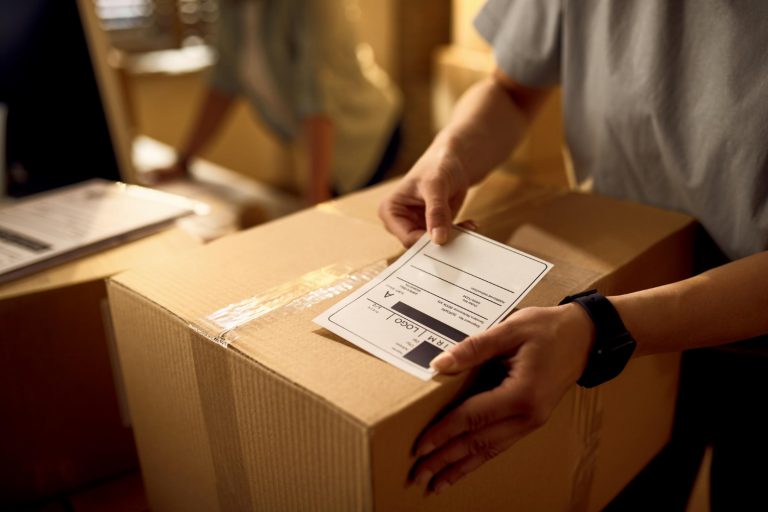
Black Friday may be finished, but its impact is only just beginning. For many businesses, December is the moment when the returns truly start to arrive. That spike continues through Christmas and reaches its highest point in early January as customers send back unwanted gifts, incorrect items, or products damaged in transit. Managing this surge efficiently can influence your operational costs for the rest of the year.
This blog explores how to recycle returned goods responsibly, how to recover as much value as possible, and the simple changes that can make a noticeable difference to your waste management strategy. It also looks at how Lesters Logistics supports businesses through this seasonal wave with sustainable disposal processes and smarter fulfilment options.
Why returns peak after Black Friday rather than during the event
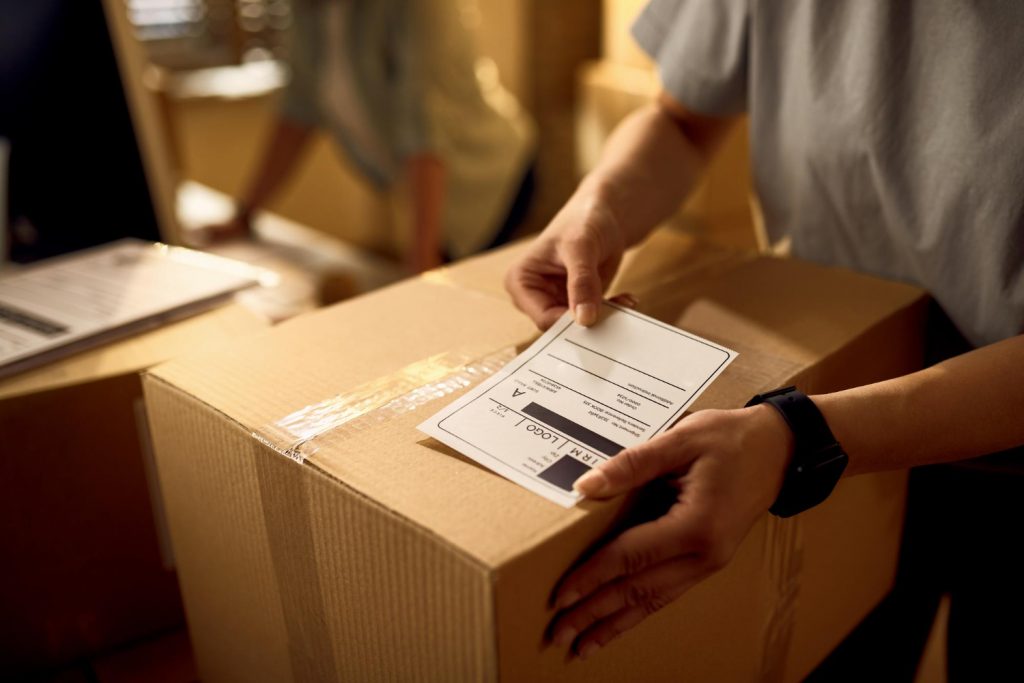
Customers often buy quickly during sales without checking sizes, specifications, or product details. The excitement builds, deliveries arrive, and by December many of those items begin to come back. Inefficient returns processes create waste, slow operations, and reduce your profit margins.
Businesses that prepare their returns strategy in advance are the ones that see the greatest recovery from stock and recycling.
How to create a returns workflow that reduces waste
The most effective returns processes begin with visibility. You cannot control what you cannot track, and that is why businesses often struggle to handle Black Friday returns efficiently. Once items enter the warehouse, clarity and speed become essential.
A simple workflow you can set up immediately includes:
- Early triage
Check the condition and category of the item the moment it arrives. This allows you to direct it to the correct route.
- Clean segregation
Keep reusable, recyclable, repairable, and waste items separate. Mixing categories increases disposal costs and slows staff down.
- Fast data capture
Record why the item was returned and its condition. This improves future forecasting and helps reduce repeat issues.
- Clear product routing
Repair it, return it to stock, recycle it, or dispose of it responsibly.
Practical ways to recycle returned stock
Many businesses underestimate how much can be reused or recovered from returned items. Even when something appears unsellable, it may still be recyclable or recoverable in some form.
Here are practical recycling routes:
Cardboard and packaging materials
Most packaging can be recycled immediately. Clean cardboard, fillers, and protective materials can go straight into your recycling streams.
Plastic returns
From bubble wrap to product casings, plastics can be separated and sent for recycling through approved partners.
Textiles or wearable items
Unsellable clothing can be donated, repurposed, or broken down into fibres. Some businesses create partnerships with textile recyclers for this purpose.
Electrical items
Products that no longer function can be sent through WEEE-compliant recycling channels to recover metals, plastics, and wiring.
The goal is to minimise what reaches landfill and increase what can return to the circular economy.
How to recover value from returned items
Not every return means a financial loss. In many cases, you can reclaim a surprising amount of value when the process is handled correctly.
You can recover value through:
- Refurbishment
Small repairs restore products to a sellable standard.
- Grade B or outlet stock
Many retailers run outlet channels for discounted, perfectly functional items.
- Spare parts
Damaged products can be broken into components that support repairs or servicing.
- Bulk resale
Some businesses sell unsellable but usable items directly to clearance partners.
A structured system stops items staying in storage for too long and frees up your warehouse space.
The cost of poor returns planning
Returns may feel like a minor part of the operation, but when Black Friday ends, they quickly become one of the most expensive elements of your workflow.
Poor handling leads to:
- Lost storage space
- Higher waste disposal charges
- Reduced resale value
- Delayed stock reintegration
- More staff hours spent sorting through items
A planned system saves time, reduces frustration, and protects your margins.
The role of 3PL support during the post-Black Friday peak
Many businesses turn to third party logistics partners for help during this period because an experienced 3PL can absorb the increased volume without slowing your main operation.
Lesters Logistics supports businesses by providing:
- Extra warehouse capacity
Return spikes require more space, and we can create overflow and flexible storage using scalable solutions.
- Reliable collection and backhaul services
We collect returns quickly and get them straight back to your processing teams.
- Inventory management
Clear tracking ensures every returned item is counted, checked, and handled appropriately.
- Smart packing and rework options
Returned goods often need new packaging or minor adjustments before they can be resold. We can help you return items to a ready-to-sell standard.
- Sustainable waste management
We work with responsible recycling partners, so your returns are processed with minimal waste.
Preparing for next year’s Black Friday now
The best returns strategy is planned long before the sale begins. By preparing early, your business can enter the next peak with stronger systems and a clearer recycling pathway.
Key improvements include:
- Improving packaging design to reduce damage
- Setting up a returns triage area
- Training staff in segregation and data capture
- Reviewing your recycling partners
- Forecasting early for warehouse space
A forward-thinking approach creates an easier and more cost-effective peak season every year.
How Lesters Logistics can support your returns strategy
Lesters Logistics works with businesses across retail, ecommerce, and manufacturing to streamline returns from the moment they enter your supply chain. Our team helps you create faster, cleaner, and more cost-effective processes while keeping sustainability at the centre of your operation. From seasonal overflow to day-to-day waste management, we are here to support you through every part of the cycle.
To learn more about our returns handling, recycling support, or storage solutions, speak to our team today.