For many retailers and e-commerce brands, December feels like the hardest part of the year. Orders spike, warehouses are busy, and delivery networks are stretched. But once the Christmas rush ends, a second challenge begins.
January is when returns arrive in volume. Not all at once, not immediately, but in a concentrated wave that can quickly overwhelm space, systems, and teams if it is not planned for properly.
This is why post-peak logistics does not slow down in January. In many cases, it becomes more complex.
This guide explains what reverse logistics is, why January returns peak when they do, what is changing in early 2026, and how businesses can manage returns without damaging stock value or the customer experience.
What is reverse logistics?
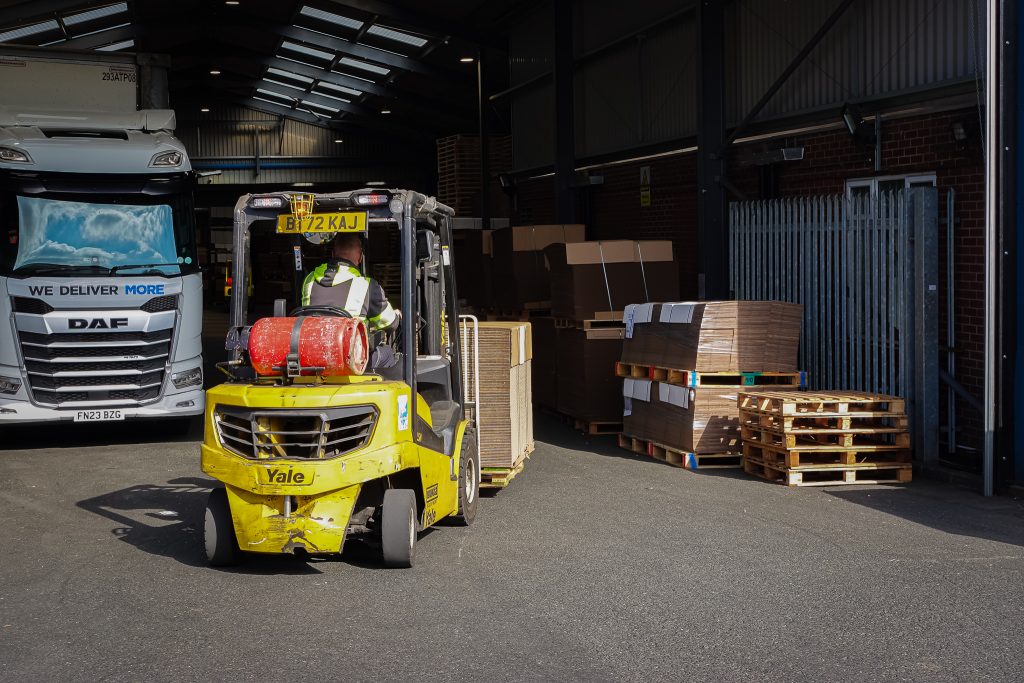
Reverse logistics is everything that happens after a product is returned by a customer.
It covers the movement of goods back through the supply chain, including inspection, sorting, re-boxing, refurbishment, resale, recycling, or disposal. It also includes the systems, data, and decisions that sit behind those physical movements, such as refund processing, stock updates, and compliance reporting.
When done well, reverse logistics helps businesses recover value, keep inventory accurate, and maintain trust with customers. If it’s done badly, it creates backlogs, eats into margins, and ties up warehouse space when it is needed most.
Why do January returns peak when they do?
The January returns surge is not a random occurrence. It is the result of several behaviours stacking on top of each other.
First, many customers do not act immediately. Gifts are opened over several days, people wait to try clothing properly, and unwanted items are often put aside rather than returned straight away. Decisions tend to happen once routines return after Christmas.
Second, deliveries do not always arrive before Christmas. Late arrivals, split shipments, and courier delays mean some customers only receive items at the very end of December or early January. Returns cannot begin until delivery has happened, which pushes volume into the new year.
Third, extended returns policies change behaviour. With 30, 60, or even 90-day return windows, customers feel no urgency. Many wait until January and then return multiple items together rather than dealing with them one by one.
Finally, refund expectations are faster than ever. Customers now expect refunds quickly once an item is received, which puts immediate pressure on booking-in, inspection, and decision-making. Even if returns arrive steadily, the operational workload peaks.
The result is not just more returns, but more returns arriving at the same time.
Why returns feel bigger in 2026
The surge of returns is evident after the Christmas period. Returns have grown for three reasons. First, more online sales and promotional bundles lead to higher change-of-mind rates. Second, extended return windows mean January volumes concentrate into a short period.
Third, carriers and retailers are pushing faster refunds which increases pressure on triage and booking-in. The practical effect is clear. Brands need stronger intake processes, clearer grading rules and reliable WMS visibility so stock counts stay trustworthy. See how a WMS underpins stock accuracy here.
If you need an overview of modern fulfilment before diving into reverse flows, read our blog here.
Why returns feel harder to manage in early 2026
Online sales continue to grow, and with them behaviours such as bracketing, where customers order multiple sizes or variations with the intention of returning some. Promotions and bundles also increase change-of-mind returns.
At the same time, warehouses are expected to process returns faster while maintaining accurate stock data. Customers want refunds quickly, retailers want clean inventory figures, and finance teams want clarity on recovered value.
This means returns can no longer sit in cages waiting to be processed. They need to be assessed, graded, and routed efficiently, often within hours of arrival.
What has changed in reverse logistics in 2026
One of the biggest shifts is speed. Returns are now sorted using simple, standard outcomes such as resale, re-pack, refurbish, recycle, or quarantine. Clear rules reduce handling time and make reporting easier.
Another change is the growth of secondary sales channels. Open-box and B-grade stock sells well when presented properly, and more brands are building structured routes for returned goods rather than letting them block primary inventory.
Packaging has also become more important. Items damaged on the return journey are harder to resell, so stronger outers and better inserts play a growing role in protecting recovery value.
Environmental reporting is now expected rather than optional. Businesses are increasingly asked to prove how returned items are recycled or destroyed, particularly for regulated goods such as electronics, batteries, and aerosols. Lesters’ environmental disposal service is designed for this need
Finally, returns data is being used more proactively. Clean reason codes and feedback loops help teams reduce future returns by improving product descriptions, sizing guidance, and packaging design.
Where value is won or lost in returns handling
The biggest factor is speed of decision. The faster a returned item is inspected and graded, the higher its chance of being resold at full or near-full value.
Presentation is also important. Items that are resaleable need to be re-boxed properly, with the correct packaging and labels, so they can move straight back into saleable stock.
Routing should be taken into account. Not every item should go back into primary inventory. Some are better suited to outlet channels, some to parts recovery, and some to certified recycling. Clear rules prevent unnecessary handling and storage.
Every extra touch, delay, or re-movement reduces recovery value.
How Lesters Logistics supports reverse logistics
Managing January returns is about control, visibility, and speed.
Lesters Logistics helps brands process returns efficiently, recover value where possible, and keep inventory accurate during the most pressured period of the year. With strong systems, experienced warehouse teams, and on-site packaging expertise, returns can move from backlog to sellable stock quickly and cleanly.
If post-peak returns are slowing down your operation or tying up space, working with a logistics partner that understands reverse flows can make the difference between congestion and control.
If your brand needs a partner that can clear returns fast, recover value and keep your inventory clean, talk to Lesters Logistics. With packaging expertise on site and responsive nationwide distribution, we help you move from backlog to sellable stock quickly.
We Deliver More.
FAQs
How quickly should I refund?
Most brands aim to triage and refund within 48 hours of receipt for standard items. High-value goods may require extra checks.
What should I track?
Track intake volume, grade mix, refund age, resale rate, recovery value, reason codes and disposal certificates. These figures show where margin leaks.
How do I reduce returns next season?
Improve product content and sizing information, test sturdier outers, add simple handling marks and act on the top five reason codes each month.
How do I pick a reverse logistics partner?
Look for WMS visibility, platform integrations, strong packaging knowledge, certified disposal routes and structured logistics. Lesters are a perfect example of this.