

Growth is exciting. It is also expensive.
At Lesters Logistics, we meet founders every week who have sales booming yet capital frozen in pallets of slow-moving stock.
For many scale ups, the biggest barrier to growth isn’t demand. It’s cash tied up in stock, warehouse space, and operational complexity. You can have strong sales, great marketing, and increasing orders, yet still feel constrained because your working capital is sitting on shelves.
That is where a stock and serve model becomes powerful. It’s the exact model that keeps our 22,000 sq ft Midlands hub going around the clock without clients renting a single extra metre of racking.
If you are aiming for scale up for growth without stretching your finances or taking on unnecessary risk, understanding how stock and serve works could change the way you expand.
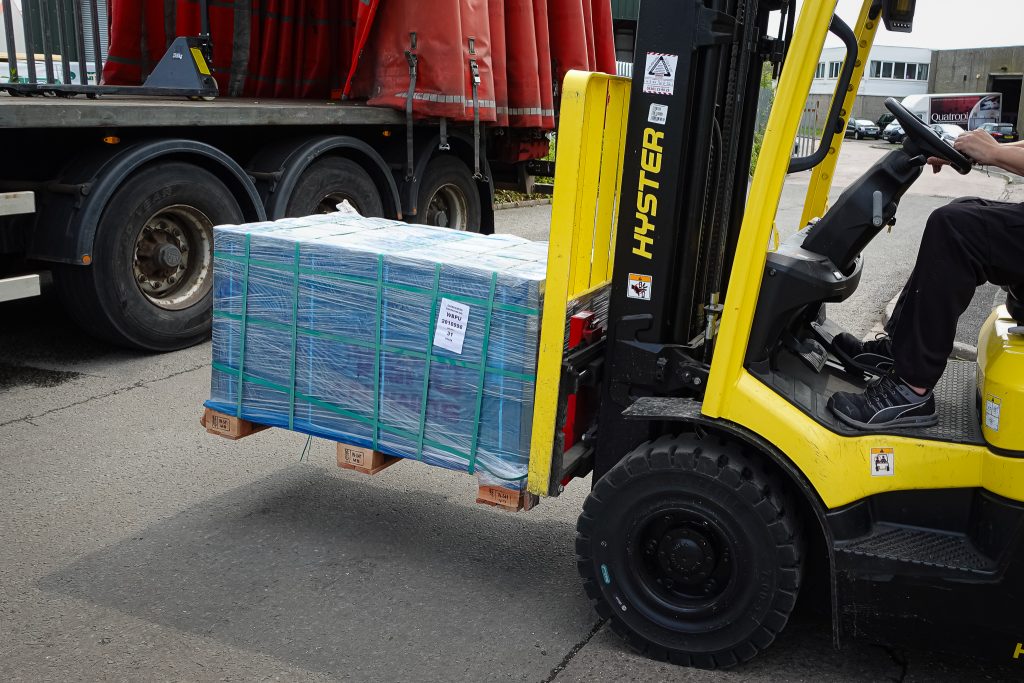
What is a stock and serve model?
A stock and serve model is a fulfilment structure where inventory is held centrally, professionally managed, and served directly to customers as orders are placed. Instead of businesses over-ordering stock and storing it themselves, inventory is optimised, tracked in real time, and distributed efficiently through a third-party logistics partner.
The key difference is control without ownership of the physical burden. You maintain visibility and strategic control over your stock, but you are not personally managing the warehouse, staffing, systems, and despatch operations. Our cloud WMS feeds those live numbers straight into Shopify and Amazon platforms – no manual spreadsheets needed.
For scale ups, this creates a lighter operational footprint.
Why holding more inventories slows scale ups down
When businesses move from start up to scale up phase, demand increases quickly. The instinctive reaction is often to order more stock “just in case”.
That approach creates several problems.
The money goes to stock that might not sell as quickly as planned. Forecasting becomes more pressured because mistakes have a bigger impact at higher volumes. Storage space can quickly run out and if systems are not designed to cope with increased demand, operational errors start to rise.
Suddenly growth feels heavy.
Inventory-heavy growth means higher storage costs, higher risk of obsolete stock, and reduced flexibility. If market demand shifts or product lines evolve, you can be left sitting on capital that could have been used for marketing, product development, or expansion into new markets.
Stock and serve models support light growth
Light growth is about scaling revenue and reach without proportionally increasing operational weight. It focuses on efficiency, flexibility, and smarter infrastructure rather than simply “more of everything”.
A stock and serve model support growth in several ways:
Lower working capital pressure
Because inventory is strategically managed and often ordered in smarter cycles, scale ups avoid excessive stockpiling. Data-driven stock control reduces the temptation to over-order. That frees up capital to invest in customer acquisition, brand development, or international expansion.
Scalable fulfilment capacity
As order volumes increase, fulfilment operations stand out. Instead of hiring warehouse staff, expanding premises, and installing new systems, the scale up benefits from an existing infrastructure that is designed for throughput. Growth does not require a new lease or a rushed recruitment drive.
Improved forecasting and visibility
Modern fulfilment partners use integrated systems that provide live inventory data. That visibility improves demand forecasting and reduces surprises. When you know what is moving and what is slowing down, you can adjust your purchasing more intelligently.
Reduced operational distraction
Managing warehousing, picking, packing, returns, and courier relationships can consume leadership time. For scale ups, that time is better spent on strategy, partnerships, and product development. Stock and serve allows founders and management teams to focus on growth levers rather than warehouse issues.
How stock and serve works in practice
In a typical model, inventory is received into a professionally managed warehouse. Goods are checked, logged into a warehouse management system, and stored efficiently. When customer orders are placed through ecommerce platforms or marketplaces, the orders feed directly into the system.
Picking and packing is carried out according to defined processes. Parcels are labelled, despatched, and tracked. Returns are processed and reintegrated into stock where appropriate.
The scale up maintains visibility over stock levels, order status, and performance metrics. Reporting supports decision making around product lines, replenishment, and promotional campaigns.
The result is growth without additional operational friction.
Stock and serve and scale up for growth
Scale up for growth is not simply about increasing turnover. It is about building systems that can handle sustained demand without breaking under pressure.
A stock and serve model builds resilience into operations.
It allows businesses to test new markets without committing to new warehousing facilities. It supports seasonal spikes without permanent overhead increases. It enables omnichannel selling across direct-to-consumer and marketplace platforms without fragmenting inventory.
For brands entering new regions, centralised stock and serve models also simplify logistics. Rather than duplicating stock across multiple small locations, inventory can be managed strategically and distributed efficiently.
Risk reduction in uncertain markets
Market conditions change quickly. Consumer demand fluctuates, supply chains tighten, and product trends shift.
Holding excessive inventory increases exposure to all of these risks.
A stock and serve approach helps mitigate that exposure. Because stock levels are monitored closely and replenishment is informed by real sales data, businesses avoid speculative overbuying. When trends shift, adjustment is easier because capital is not buried in unsold goods.
This is particularly important for ecommerce brands, seasonal product businesses, and fast-moving consumer goods companies where product cycles are short.
Technology as the backbone
Stock and serve models rely on strong systems integration. Ecommerce platforms, inventory management tools, and courier services must communicate effectively.
When systems are integrated properly, scale ups benefit from automated order processing, accurate stock updates, and performance reporting. That transparency reduces human error and supports better planning.
For growth-focused businesses, that technology foundation is not optional. It is what allows light growth to be sustainable rather than chaotic.
When is a stock and serve model right for your business?
Not every business needs to outsource fulfilment immediately. However, there are clear indicators that a stock and serve model could support your next stage.
- If storage space is becoming tight.
- If order volumes are increasing but your processes are struggling to keep up.
- If cash flow feels constrained due to inventory investment.
- If leadership time is being consumed by operational issues.
- If you want to expand into new channels or territories without major overhead increases.
These are signals that growth is outpacing infrastructure.
Moving to a stock and serve model at the right time prevents operational bottlenecks from stalling momentum.
Supporting growth in the UK
For UK-based scale ups, especially those that are expanding nationally or into European markets, partnering with a strategically located fulfilment provider creates additional advantages. Efficient distribution networks reduce transit times, support next-day delivery expectations, and maintain customer satisfaction.
Growth is not only about revenue. It is about delivering consistently as volume increases. Stock and serve models provide the operational backbone that allows marketing, product innovation, and sales efforts to convert into sustainable expansion.
Building growth that does not feel heavy means putting the right operational structure in place.
Scaling should feel energising, not overwhelming.
When businesses try to grow by simply increasing stock levels and warehouse commitments, they often experience operational strain before they see long-term benefit. Light growth strategies focus on agility and infrastructure that expands with demand.
A stock and serve model is not about giving up control. It is about shifting operational weight so that growth becomes strategic rather than reactive.
If your goal is scale up for growth without tying up more capital in inventory, exploring a stock and serve approach could be the smartest structural decision you make this year.
Ready to scale smarter? Contact Lesters Logistics about our Stock and Serve management service.
From our 22,000 square foot warehouse, Lesters can help resolve your warehouse storage needs. Alongside our logistics management services, we have a dedicated onsite team who can provide logistics consultancy to enhance your supply chain with sufficient storage. Learn more about our packaging stock and serve options online now.