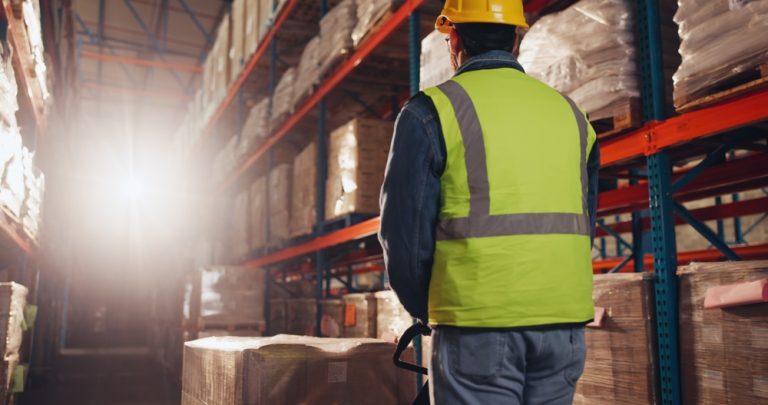
A pick packer is responsible for locating items in a warehouse, collecting them for specific orders, and preparing them for shipping. This role sits at the heart of the pick and pack process, ensuring that customers receive the correct products in good condition and on time. For businesses that handle large volumes of orders, professional pick pack services play a major role in maintaining efficiency and customer trust.
Understanding what a pick packer does can help businesses see how third party logistics providers like Lesters Logistics support ecommerce operations through organised warehousing and fulfilment services.
What Does a Pick Packer Do?
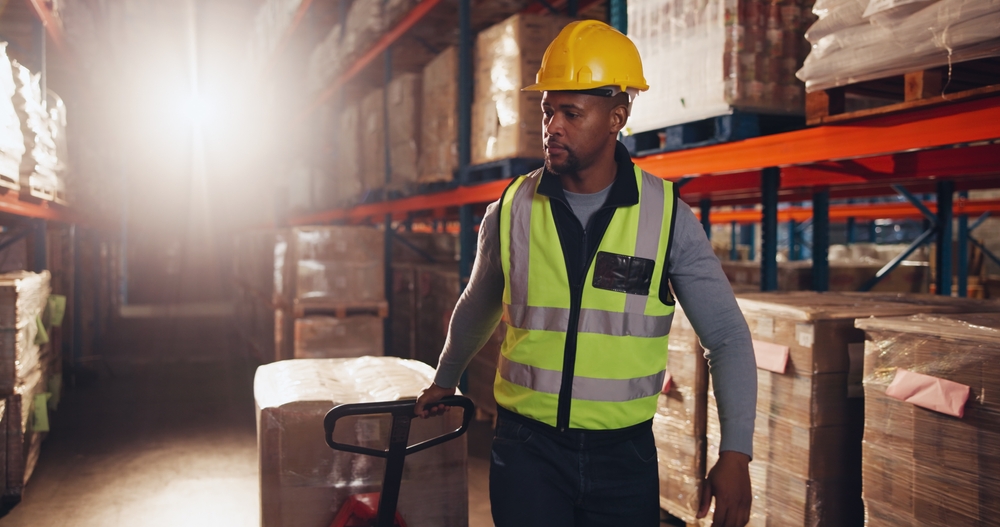
A pick packer works within a warehouse or fulfilment centre and handles orders that come in from online stores, retailers, or distribution networks. Their main responsibility is to pick items from inventory and pack them ready for dispatch.
When a customer places an order, the warehouse management system generates a picking list. The pick packer then follows this list to locate the products in the warehouse. Once the items have been collected, they are carefully checked to ensure accuracy before being packed securely.
The packing stage involves selecting the right packaging materials, protecting the items during transit, and labelling the parcel for delivery. In many modern fulfilment centres, this process is supported by technology such as barcode scanners and warehouse management systems that help track inventory and reduce errors.
Because accuracy and speed are so important in logistics, pick packers must work carefully while maintaining a steady pace. Even a small mistake in the picking process can lead to incorrect orders, returns, and unhappy customers.
How the Pick and Pack Process Works
The pick and pack process is a core part of ecommerce fulfilment. It ensures that orders are processed efficiently from the moment they are placed until they are shipped to the customer.
The process begins when an order enters the warehouse system. The system identifies where each product is stored and generates instructions for the pick packer. The picker collects the items from different locations within the warehouse, often using scanning technology to confirm accuracy.
After the items are picked, they move to the packing stage. At this point, the products are checked again, packaged securely, and labelled with the correct shipping information. Protective packaging materials may be used to prevent damage during transportation.
Once packed, the order moves to the dispatch area where it is collected by a courier and shipped to the customer.
This process may sound simple, but in busy fulfilment centres thousands of orders can be processed every day. Efficient warehouse layout, trained staff, and strong systems are essential for keeping operations running smoothly.
Why Pick Packers Are Important in Ecommerce Fulfilment
Pick packers play a central role in ensuring that fulfilment operations run efficiently. Their work directly affects delivery times, order accuracy, and the overall customer experience.
For ecommerce businesses, customer expectations are higher than ever. People expect fast shipping, accurate orders, and secure packaging. If orders are delayed or incorrect, customers may quickly lose trust in a brand.
By having skilled pick packers and organised fulfilment systems in place, warehouses can process orders quickly while maintaining high accuracy levels. This helps reduce returns, minimise shipping errors, and keep customers satisfied.
For growing ecommerce brands, outsourcing pick and pack services to a logistics provider can also improve scalability. Instead of handling fulfilment internally, businesses can rely on experienced warehouse teams to manage inventory and order processing.
Technology Used in Pick and Pack Warehouses
Modern warehouses rely heavily on technology to support pick pack operations. Systems such as Warehouse Management Systems (WMS) help track stock levels, manage storage locations, and guide warehouse staff through the picking process.
Barcode scanners are commonly used to confirm that the correct product has been selected. This reduces errors and ensures that the right items are packed for each order.
Automation is also becoming more common in large fulfilment centres. Conveyor systems, automated picking equipment, and digital order tracking all help improve efficiency and reduce manual handling.
These systems allow warehouses to process higher order volumes while maintaining accuracy and visibility across the supply chain.
How Pick and Pack Services Help Businesses Grow
For many businesses, managing fulfilment in house becomes challenging as order volumes increase. Storage space, staffing, packaging materials, and courier coordination all require time and resources.
Professional pick and pack services provide a scalable solution for growing ecommerce businesses. By partnering with a fulfilment provider, companies can store their products in a dedicated warehouse where orders are picked, packed, and shipped on their behalf.
This approach allows businesses to focus on sales, marketing, and product development while logistics specialists handle the operational side of fulfilment.
Pick and pack services also improve delivery speed by positioning stock within established distribution networks, helping customers receive orders more quickly.
Pick and Pack Services at Lesters Logistics
At Lesters Logistics, pick and pack services form a key part of our ecommerce fulfilment solutions. Our warehouse teams manage inventory, process orders, and prepare shipments with accuracy and efficiency to support businesses across the UK.
Using advanced warehouse management systems and organised fulfilment processes, we help businesses streamline their order processing while maintaining high standards for packaging and delivery.
Additionally, by incorporating extra services to your pick and pack service, such as relabelling, palletisation and shrink wrapping, we can provide a seamless operation – alleviating hassle for you and providing a high quality experience for your customers. Get in contact with a member of our helpful team today to learn more about our pick and pack services.
What is the difference between picking and packing in a warehouse?
Picking and packing are two separate steps in the order fulfilment process. Picking involves locating and collecting the products required for a customer order from the warehouse shelves. Packing happens after the items are picked, where they are checked, placed into suitable packaging, labelled, and prepared for shipping. Both stages are essential for ensuring orders are accurate and arrive safely.
What skills does a pick packer need?
A pick packer needs strong attention to detail, good organisation, and the ability to work efficiently in a fast paced warehouse environment. Accuracy is especially important, as selecting the wrong product can lead to customer returns and delays. Many pick packers also use technology such as barcode scanners and warehouse management systems to track inventory and confirm order accuracy. If you are looking for a job as a pick packer, check out our careers page to see if we have vacancies available.
Why do ecommerce businesses outsource pick and pack services?
Many ecommerce businesses outsource pick and pack services to improve efficiency and manage higher order volumes. Fulfilment providers have the warehouse space, trained staff, and technology needed to process orders quickly and accurately. This allows businesses to scale operations without needing to invest in their own warehouse infrastructure.